Flight for freedom echoes through IPPF as KFI’s intensive nest protection scheme secures cockatoo breeding success
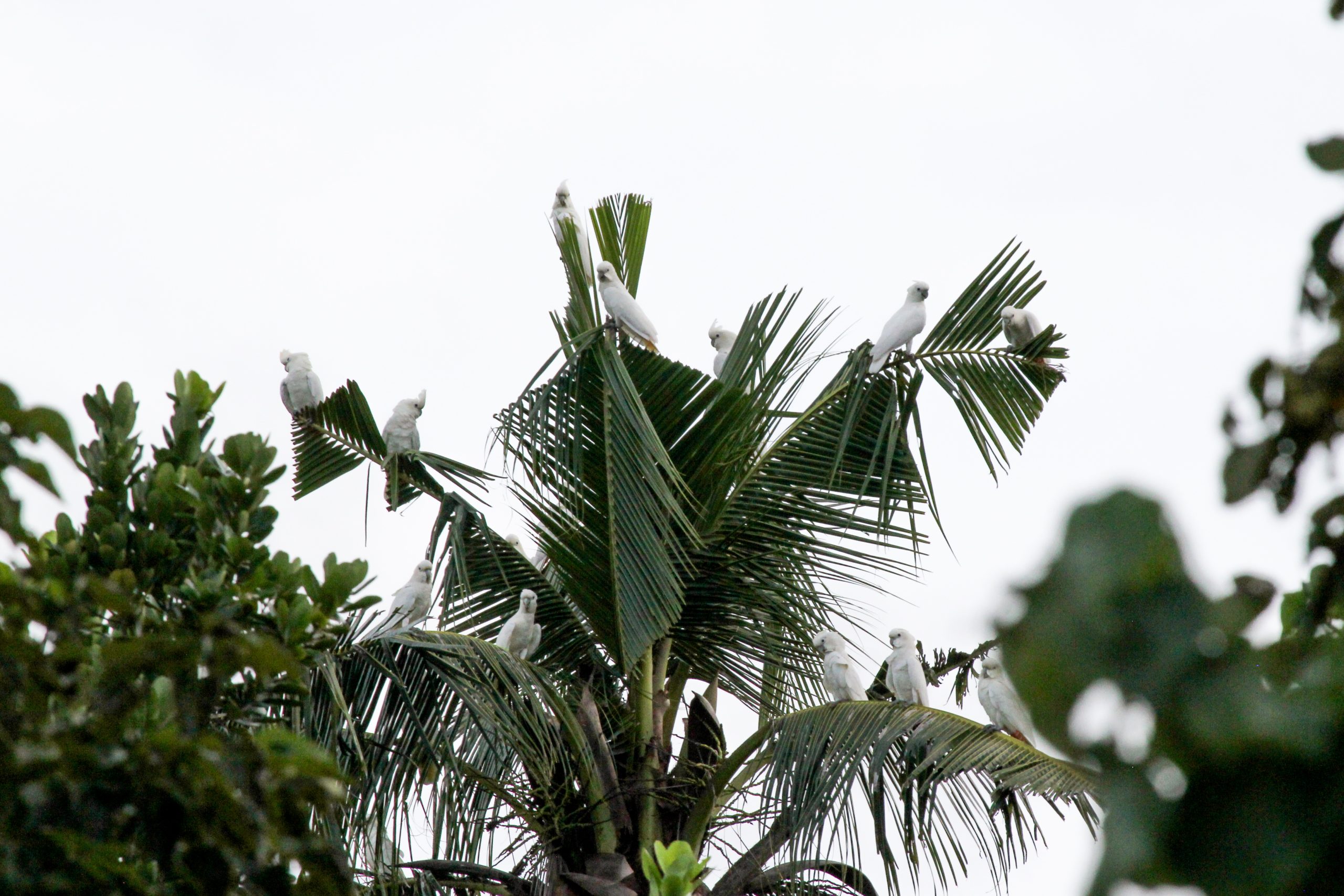
During the 2026 breeding season of the Philippine Cockatoo, Katala Foundation Inc. (KFI) implemented an intensive nest protection scheme to curb nestling poaching within the Iwahig Penal Reservation. Through the intervention, nests that previously fell victim to poaching successfully produced young cockatoos, effectively doubling the recruit count and facilitating ongoing recovery of third-largest global population of the species.
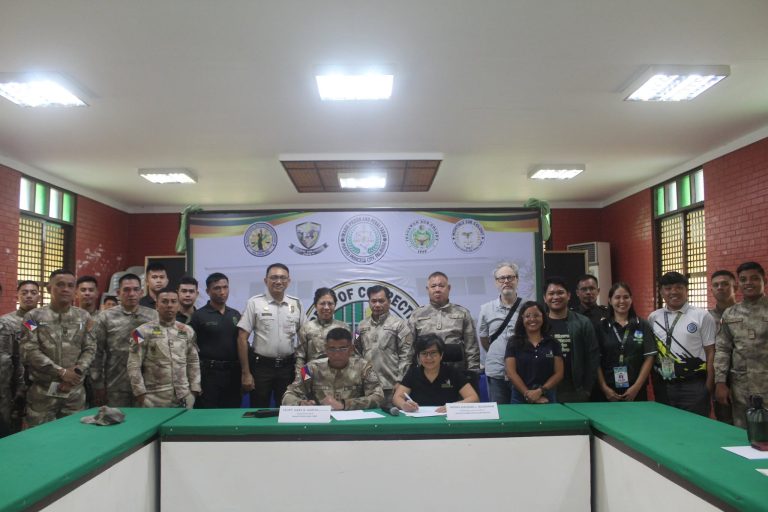
In the forests of Puerto Princesa City, wildlife poaching remains prevalent, with the critically endangered Philippine Cockatoo severely suffering from this human-driven threat. The intensive nest protection framework addresses this dominant source of harm to the species while sustaining the program’s existing conservation and monitoring efforts. These include habitat monitoring, targeted nest guarding in known poaching hotspots, a suite of wildlife surveys, adaptive management strategies, and multi-stakeholder habitat protection with the Bureau of Corrections, DENR, PCSDS, and Western Command.
“Essentially, all Philippine Cockatoo project sites implement nest protection schemes for a range of site-specific reasons beyond poaching. Each site faces distinct threats and challenges; in IPPF, the protocol has been adapted to better align with local conditions and needs,” said Indira Widmann, Chief Operations Officer of KFI.
The scheme is primarily structured on the deployment of wildlife wardens and staff to lowland forests encompassing the penal reservation, in collaboration with partners from PCSDS and DENR. With their visible presence, we enhanced fledging success and wildlife detection across the area. Moreover, without their nest protection efforts, one observed poaching attempt would have been successful. The rescued hatchlings have since grown into healthy individuals and contribute to other Katala populations through future release.
The scheme’s effectiveness is further reflected in the confirmed integration of cockatoos protected during the early stages of the project into the breeding population, as evidenced by camera trap data. These individuals were once susceptible to poaching as juveniles, and now they are matured adults that significantly contribute to the resurgence of the species.
Notably, the brood of one of these breeding pairs was poached in the previous year. Now, the white and red feathers of their new offspring safely grace the skies of Puerto Princesa.
“This breeding season was especially meaningful for me as a young conservationist. Seeing a newly discovered pair with DENR tags feeding new recruits—and realizing the female cockatoo was one of the first hatchlings I ringed at IPPF a decade ago—made me giggle with joy. This is conservation in action, and this is the Katala soaring away from the edge of extinction. With more sightings in the heart of the city, we hope more Puerto Princesa residents will join us in protecting and preserving the last coastal forest stands of this ‘City in the Forest,’” expressed PCCP Program Co-Director Mary Nierves.
The conservation of these cockatoos relies heavily on various management strategies, and it is worthwhile to recognize that it also requires the active participation of local communities. In shaping the future of this species, their habitats must be preserved and their continued urban presence undeterred.
Despite these positive gains, several threats to the Katala and other wildlife persist. Declaring legally protected areas is essential to sustaining endemic wildlife and, by extension, improving human well-being. By establishing Malabo Forest as a Critical Habitat, we fulfill our responsibility as inhabitants of this island and wardens of our own home.
Without the transformative and profound support of our various sponsors and partners, we would not have reached this milestone. Our heartfelt thanks to all of you!
For more information, please contact Indira Widmann, Katala Foundation, P.O. Box 390, Puerto Princesa City, Palawan, or email (idlacerna@gmail.com).
Check out this exclusive camera trap footage of a Katala fledging event!